

Summer in India is not gentle. It is harsh, exhausting, and unforgiving if you choose the wrong place. The idea that you can randomly pick a destination because it “looks good” is exactly why most summer vacations feel disappointing. Smart summer travel in India is about understanding geography, altitude, rainfall, and airflow. When you respect those factors, summer becomes the best time to travel, not the worst. This blog breaks down the destinations that actually work during Indian summers and explains why they do.
Why Choosing the Right Summer Destination in India Is Critical
India’s summer heat behaves differently across regions. Plains trap heat, coastal cities amplify humidity, and concrete-heavy towns turn into furnaces. In contrast, elevated regions, forested landscapes, and wind-exposed coastlines naturally regulate temperature. The difference between a good trip and a miserable one is not luxury; it’s climate logic. Summer destinations must lower body stress, not add to it. If a place cannot do that, it does not belong on your summer list.
Hill Stations That Consistently Beat the Heat

Hill stations remain the most reliable summer escape in India because altitude works every time. As elevation increases, temperature drops, nights cool down, and mornings feel breathable again. This is not romanticism; it’s physics.
Manali
Manali remains popular because it performs under pressure. Summer temperatures stay moderate, adventure activities are fully operational, and surrounding high-altitude passes still carry snow. Crowds are the real downside. If you stay away from the central market area and plan activities early in the day, Manali remains one of the most effective heat escapes in North India.
Shimla
Shimla offers a slower, more structured summer experience. Its walkable layout, colonial architecture, and dense pine forests create a calmer atmosphere. While it lacks extreme adventure, it compensates with comfort and predictability. For travelers prioritizing rest over adrenaline, Shimla makes more sense than trendier alternatives.
Darjeeling
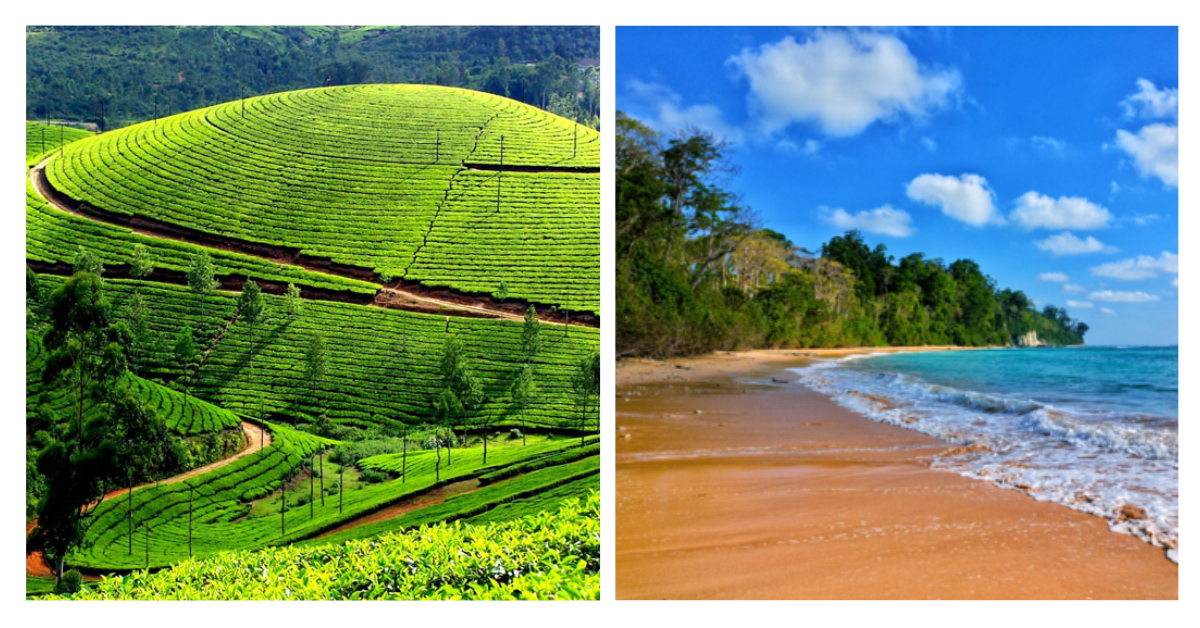
Darjeeling delivers cool temperatures, tea gardens, and misty landscapes throughout summer. Weather conditions can shift quickly, which limits mountain views but enhances the cooling effect. Early mornings are the best time to explore. This destination suits travelers who value atmosphere over precision.
High-Altitude Cold Deserts for Serious Summer Escapes

Cold deserts sit at extreme elevations, making them naturally resistant to summer heat. These destinations are not casual vacations; they demand preparation and patience. But the reward is unmatched.
Leh
Leh exists for summer travel. During this season, roads open, skies stay clear, and temperatures remain comfortable during the day and cool at night. Altitude sickness is a real risk and must be respected. Acclimatization is not optional. Those who rush regret it quickly.
Spiti Valley
Spiti Valley strips travel down to its essentials. Sparse infrastructure, long drives, and limited connectivity define the experience. In return, summer temperatures stay low, humidity disappears, and silence becomes the highlight. This destination suits travellers seeking a mental reset, not comfort.
Northeast India: The Most Underrated Summer Region
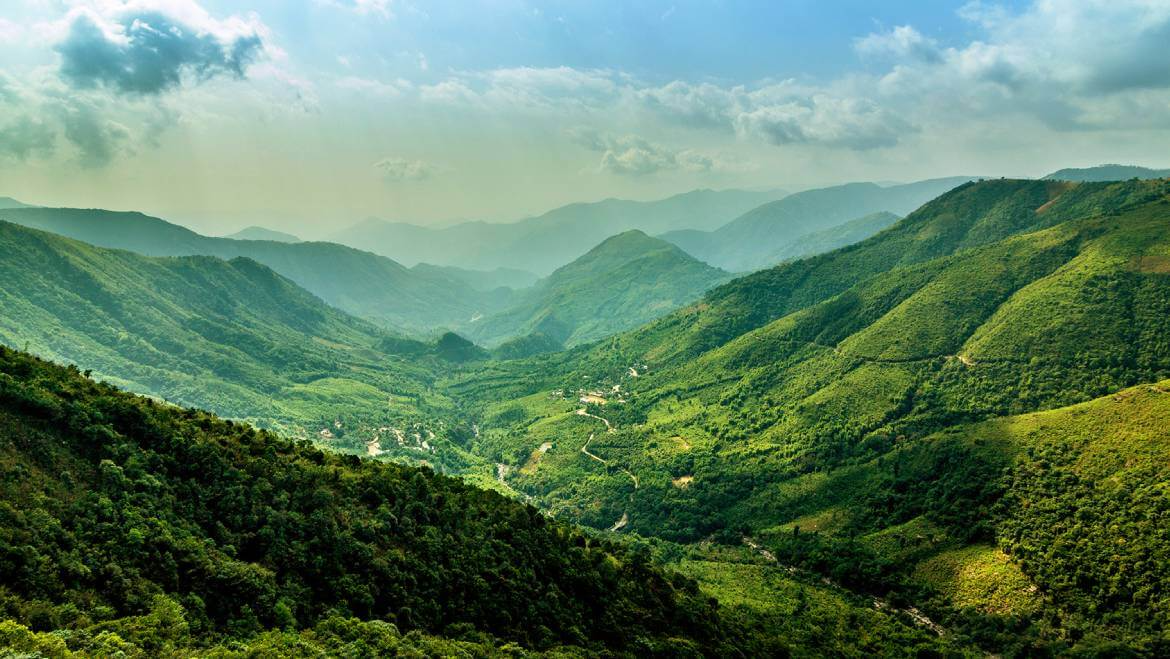
Northeast India remains ignored mainly due to distance, not merit. Summer here is controlled by elevation, cloud cover, and rainfall, making it one of the most climate-balanced regions in the country.
Meghalaya
Meghalaya’s summer climate stays cool because rain does the work of air-conditioners. Waterfalls remain active, forests stay dense, and temperatures stay within comfort range. Rain is frequent, but it reduces heat stress significantly. For travelers who understand that rain can be refreshing, Meghalaya is an excellent summer choice.
Sikkim
Sikkim blends mild summer temperatures with cultural depth and clean environments. Towns like Gangtok offer modern amenities without heat overload. Road travel can be slow, but the trade-off is peaceful and breathable air, which matters more in summer than speed.
Beaches That Actually Work During Indian Summer

Most Indian beaches struggle in summer due to humidity. However, a few destinations maintain airflow and seasonal balance.
Goa
Goa in early summer offers quieter beaches and lower prices. As monsoon approaches, temperatures drop further, though swimming becomes limited. Travelers seeking calm surroundings rather than nightlife find summer Goa surprisingly pleasant.
Andaman and Nicobar Islands
The Andaman Islands benefit from consistent sea breezes. Summer remains suitable for snorkeling, beach walks, and slow exploration. While humidity exists, it is offset by wind and open landscapes, making it one of the few beach destinations that remains tolerable in peak summer.
Forest and Nature-Based Summer Destinations
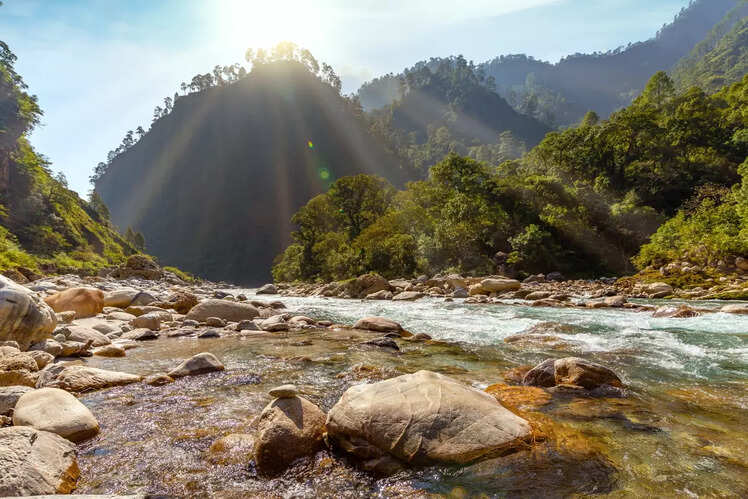
Forests regulate temperatures naturally. Shade, moisture, and biodiversity reduce heat buildup and mental fatigue.
Uttarakhand
Uttarakhand’s lesser-known hill towns offer cooler temperatures without heavy crowds. Forest cover and elevation work together to create stable summer climates. These destinations suit travelers who want simplicity and quiet rather than packed itineraries.
Kerala
Kerala’s hill regions benefit from early monsoon patterns that cool the environment. Munnar and surrounding areas remain green and breathable. Humidity exists at lower elevations, but hill zones maintain balance throughout summer.
Best Summer Destinations for Families
Family travel demands accessibility, safety, and minimal physical strain. Destinations like Nainital and Ooty remain popular because they offer structured tourism, short travel distances, and predictable climates. These factors matter more than novelty when traveling with children or elderly members.
Best Summer Destinations for Couples and Solo Travelers
Couples benefit from quiet locations where the climate supports relaxation. Places like Coorg and Tawang provide privacy, mild weather, and a slower pace. Solo travellers often prefer destinations like Kasol, where infrastructure supports independent travel without pressure.
Common Summer Travel Mistakes to Avoid
Ignoring altitude sickness, underestimating travel fatigue, and choosing destinations based solely on popularity ruins summer trips. Overpacked itineraries and midday sightseeing add unnecessary strain. Successful summer travel is about pacing, rest, and respecting weather limits.
Conclusion
Summer travel in India is not about endurance; it is about intelligence. Destinations that align with altitude, rainfall, forests, and wind naturally outperform others. Hill stations, cold deserts, Northeast India, select beaches, and forested regions exist because they work when temperatures rise. Choose logic over hype, and summer becomes the most rewarding travel season of the year.